 English

 Slovak
 Czech
Czech
 Hungarian
 Italian
 Polish
 Slovenian





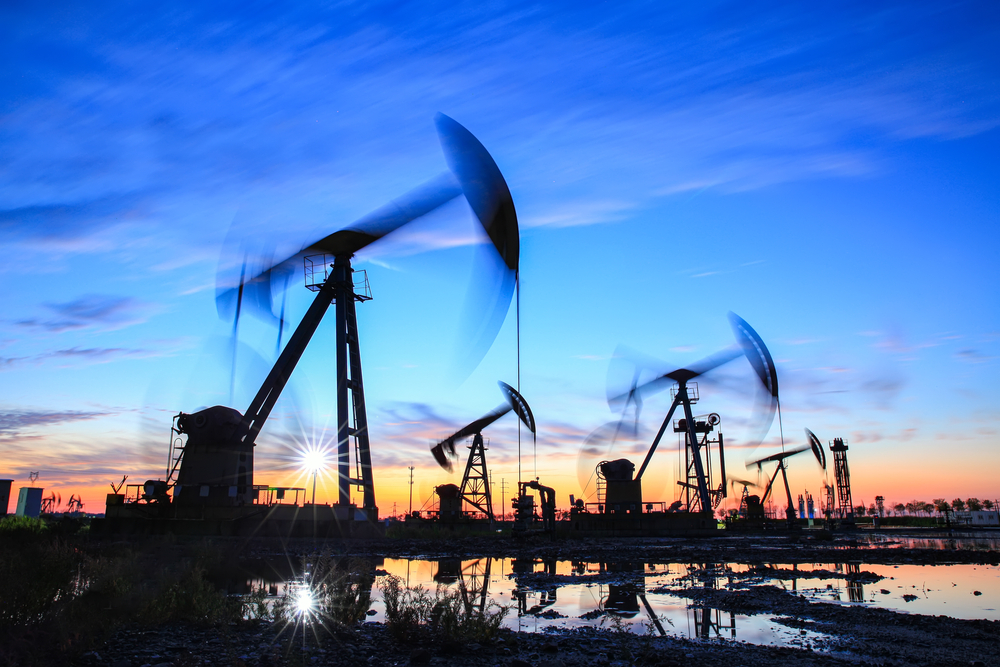
We can observe a largely paradoxical development in the world oil market. A significant number of oil buyers have imposed anti-Russian sanctions because of Russia's military aggression against Ukraine, which also apply to Russian oil exports. Although in such a situation we might expect oil to be scarce on the market, the exact opposite is true.
The ongoing military operation by Israeli forces in the Gaza Strip is not calming the situation. We used to be used to the fact that any increased tension in the Middle East or the Near East was immediately reflected in a rise in the price of oil. But we are not seeing this expected development in the black gold market either.
But it's only a mystery at first glance. Even though Russia is facing sanctions from the West, including the imposition of price caps on exports of Russian Urals-type oil, this does not mean that Russian oil is not reaching the world market. Russia is trying, with more or less success, to compensate for the shortfall in its oil exports to the West by exporting to other countries.
India accounts for the largest share of Russian roya purchases that go beyond Russia's borders. One out of every three barrels of Russian oil destined for export goes to the world's most populous country. China is the second most important buyer with more than one-fifth of the total, while Turkey is third with 12 percent. If these countries have increased their purchases of Russian oil (which sells at a lower price than the world market for Brent), they are necessarily reducing their imports of other oil. There is thus a surplus of oil on the world market, which logically puts downward pressure on its price.
Moreover, the world oil market seems to be less sensitive to escalating tensions in the Middle East region. More specifically, the potential threat of major oil producers in the Arabian Peninsula or the Persian Gulf taking up oil weapons in a similar way to the Yom Kippur War 50 years ago is relatively low. These countries are both still quite significantly dependent on oil export revenues and the West is no longer so dependent on oil imports from the region. In this respect, the situation today is radically different from the autumn of 1973, when the first oil shock broke out.
This is evidenced by the fact that oil is not trending upwards, despite the fact that the OPEC+ group of countries has been consistently cutting production since the end of last year. In other words, the countries that cooperate within the OPEC cartel, which has been expanded to include other countries (notably Russia), no longer have the same power over the global oil market as they did five decades ago. And the upcoming OPEC+ meeting on 26 November is unlikely to dramatically change the current price trend. There, members will discuss further production cuts. But it is very likely that achieving the desired increase in the price of black gold would have to be bought with a very drastic reduction in production, which would ultimately backfire on those who would take such a step.
Warning! This marketing material is not and should not be considered investment advice. Past performance is not a guarantee of future returns. Investing in foreign currency may affect returns due to fluctuations. All securities transactions may result in gains and losses. Forward-looking statements represent assumptions and current expectations that may not be accurate or are based on the current economic environment, which may change. These statements are not guarantees of future performance. CAPITAL MARKETS, o.c.p., a.s. is an entity regulated by the National Bank of Slovakia.