Intel Changes Leadership: What Impact Can the New CEO Have on the Future of the Company?
March 18, 2025
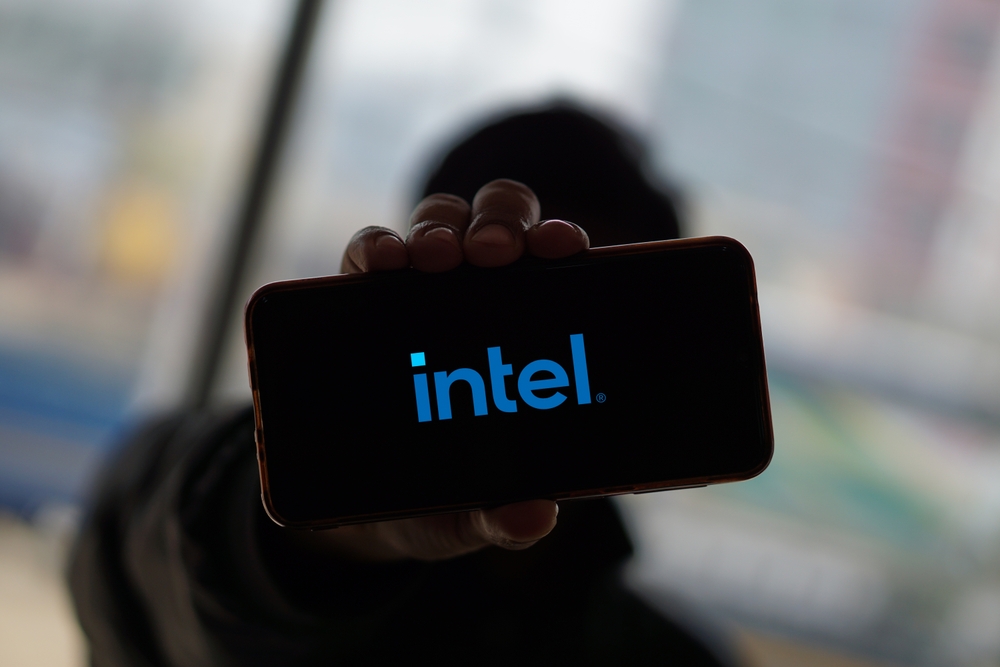
The latest move to save Intel is the appointment of Lip-Bu Tan as the new CEO. With this change, the company is trying to stabilize after years of losses, as well as a decline in market share. Lip-Bu Tan will take the lead at a time when Intel is facing existential challenges, especially in artificial intelligence (AI) and chip manufacturing. Following the news, Intel's share price rose 15%, indicating a positive perception of this fundamental momentum by the market.*
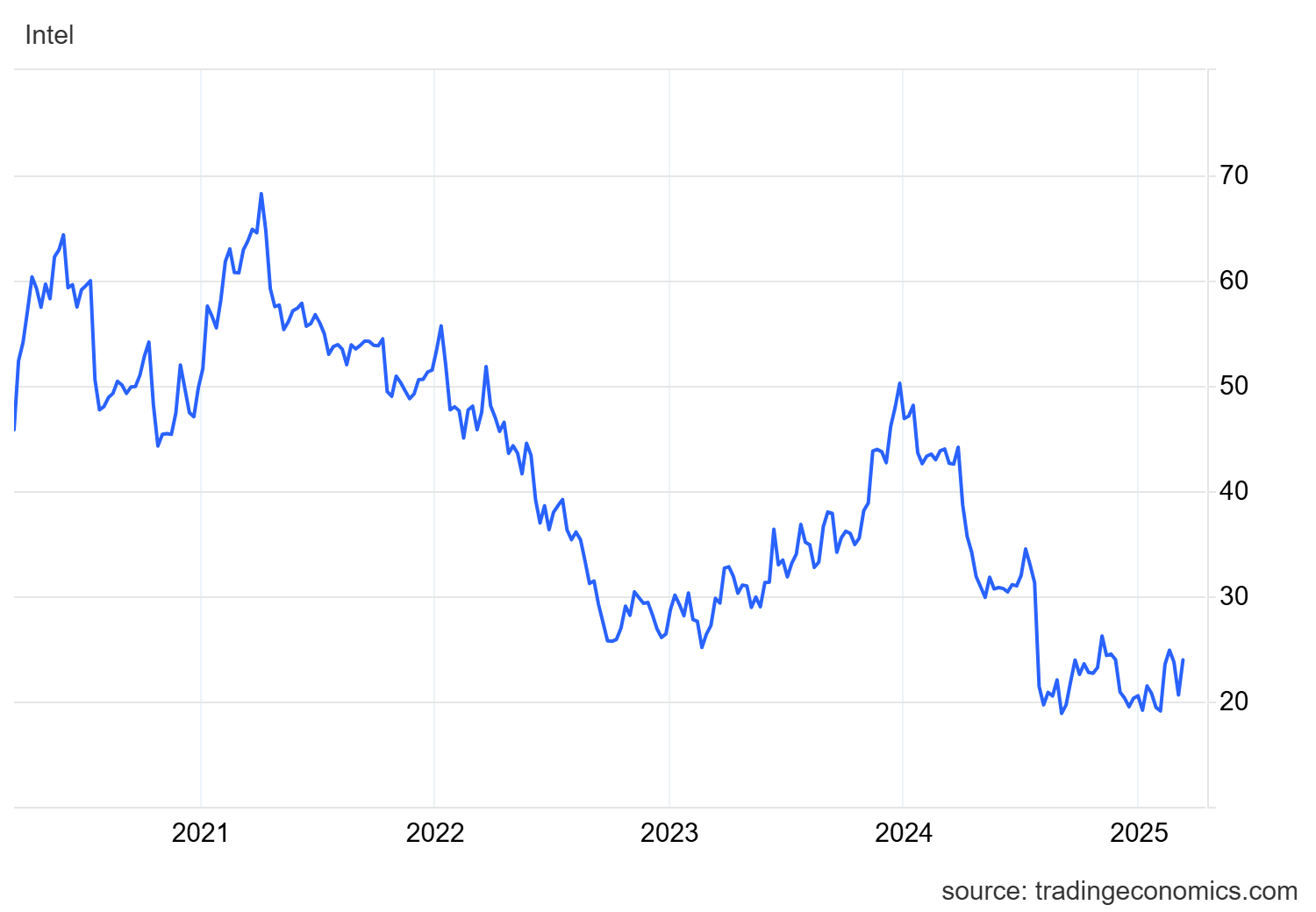
Source: Trading Economics*
A new leader with extraordinary experience
Lip-Bu Tan has previously worked in the technology industry for many years, has more than 20 years of experience in semiconductors and software, and also served as CEO of Cadence Design Systems from 2009 to 2021. The information about his previous position is all the more crucial because during his leadership, Cadenco managed to more than double sales, increase operating margins and, most importantly, what Intel would also need, the value of the company's shares increased by more than 3,200%.* In addition, as a former member of Intel's board of directors, he knows the company's strategic challenges well and knows exactly what is expected of him. To steer the company towards long-term profitability.
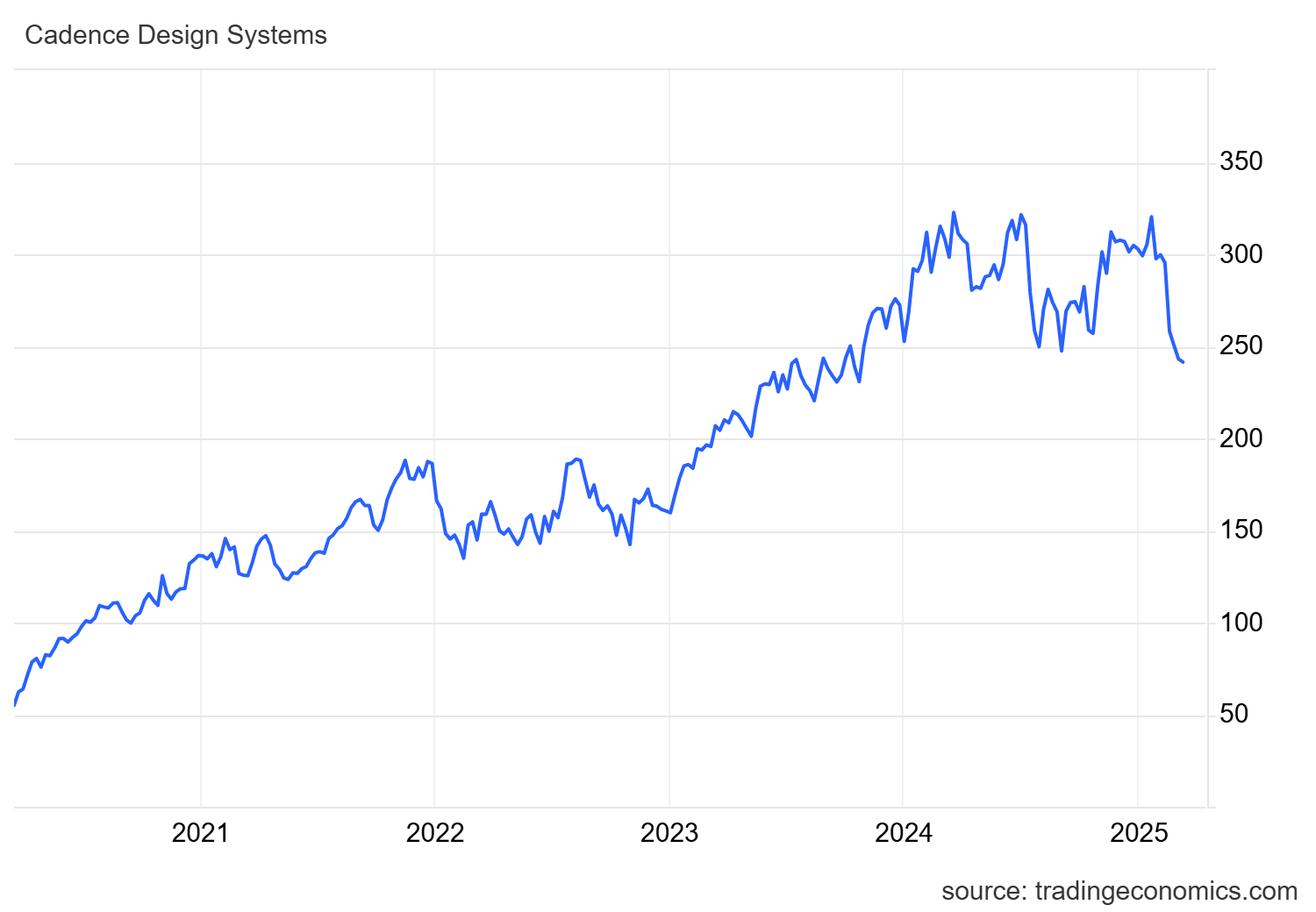
Source: Trading Economics*
Top Challenges Intel Faces
The primary problem Intel is currently facing is a loss for the full fiscal year 2024 worth $18.8 billion, with the foundry segment (making chips for other companies) generating a loss of $11.6 billion. In connection with this business, plans to build a new plant in Ohio have been postponed to 2030, which only raises question marks over the future of this division.
In addition, Intel is also experiencing difficulties in the currently most discussed area, artificial intelligence. This is traditionally dominated by rival giants such as Nvidia or AMD. Another blow to Intel was its removal from the prestigious Dow Jones Industrial Average, where it was replaced by Nvidia.
What can a change of CEO mean for investors?
What Intel is striving for by appointing Lip-Bu Tan is evident. The company wants to focus on areas where it feels comfortable and, most importantly, where it sees potential for growth, while also trying to increase efficiency in places where it is lagging behind. If it manages to stabilize the manufacturing segment and strengthen competitiveness in AI, these may be the changes that Intel has been missing in its long-term growth.
On the other hand, even if the transformation is successful, the expected results are unlikely to be immediate and investors will have to wait. Tan's accomplishments at Cadence show that as a CEO, he can effectively manage a technology company and thus ensure strong growth, but Intel is a much larger and more complex company, where it will have to face strong competition and geopolitical factors.
Conclusion
Intel is at a key point in its further development, and the appointment of Lip-Bu Tan to lead the company represents an effort to restart after years of decline. The short-term rise in the stock shows that the market is viewing this change positively, however, long-term success will depend on the new CEO's ability to implement effective reforms.* If Tan can replicate his success from Cadence and significantly improve Intel's performance, it could be an important turning point for the company and its investors. [1]
* Historical figures are not a guarantee of future returns.
[1] Forward-looking statements represent assumptions and current expectations that may not be accurate or are based on the current economic environment, which is subject to change. These statements do not guarantee future performance. Forward-looking statements involve risk and uncertainty by their nature because they relate to future events and circumstances that cannot be foreseen, and actual developments and results may differ materially from those expressed or implied in any forward-looking statements.
Warning! This marketing material is not and should not be construed as investment advice. Data relating to the past are not a guarantee of future returns. Investing in foreign currency can affect returns due to fluctuations. All securities trades can lead to both profits and losses. Forward-looking statements represent assumptions and current expectations that may not be accurate or are based on the current economic environment, which is subject to change. These statements do not guarantee future performance. InvestingFox is a trademark of CAPITAL MARKETS, o.c.p., a.s., regulated by the National Bank of Slovakia.
Resources:
https://finance.yahoo.com/news/intel-stock-climbs-following-report-that-tsmc-has-pitched-nvidia-amd-on-venture-to-run-intels-foundry-business-164816105.html
https://www.cnbc.com/2025/03/12/intel-appoints-lip-bu-tan-as-new-ceo-stock-up-11percent.html
https://www.investing.com/news/stock-market-news/intel-appoints-lipbu-tan-as-ceo-3925041
https://www.businesswire.com/news/home/20250312399008/en/Intel-Appoints-Lip-Bu-Tan-as-Chief-Executive-Officer
InvestingFox is a trademark of CAPITAL MARKETS, o.c.p., a.s., with its registered office at Slávičie údolie 106, Bratislava – Staré Mesto district, 811 02. The company is registered in the Commercial Register of the Municipal Court Bratislava III, Section: Sa, File No.: 4295/B, ID No.: 36 853 054, VAT No.: 2022505419.
CAPITAL MARKETS, o.c.p., a.s. is a securities dealer pursuant to Section 55(1) of Act No. 566/2001 Coll. on Securities and Investment Services and on Amendments to Certain Acts, as amended (hereinafter the “Securities Act”). On October 30, 2007, CAPITAL MARKETS, o.c.p., a.s. was granted, by Decision No. OPK-2297/2007 of the National Bank of Slovakia -PLP, a license to provide investment services pursuant to Section 54(2) in conjunction with Sections 59(2) and (3) of the Securities Act, which was extended in accordance with the provisions of the Securities Act by Decision No. OPK-1830/2008-PLP dated April 21, 2008, Decision No. OPK-11601-1/2008 dated January 28, 2009, Decision No. ODT-5059-3/2012 dated July 23, 2012, and Decision No. ODT-9332/2014-1 dated October 21, 2014.

 English

 Slovak
 Czech
 Hungarian
 Italian
 Polish
 Slovenian