 English

 Slovak
 Czech
Czech
 Hungarian
 Italian
 Polish
 Slovenian





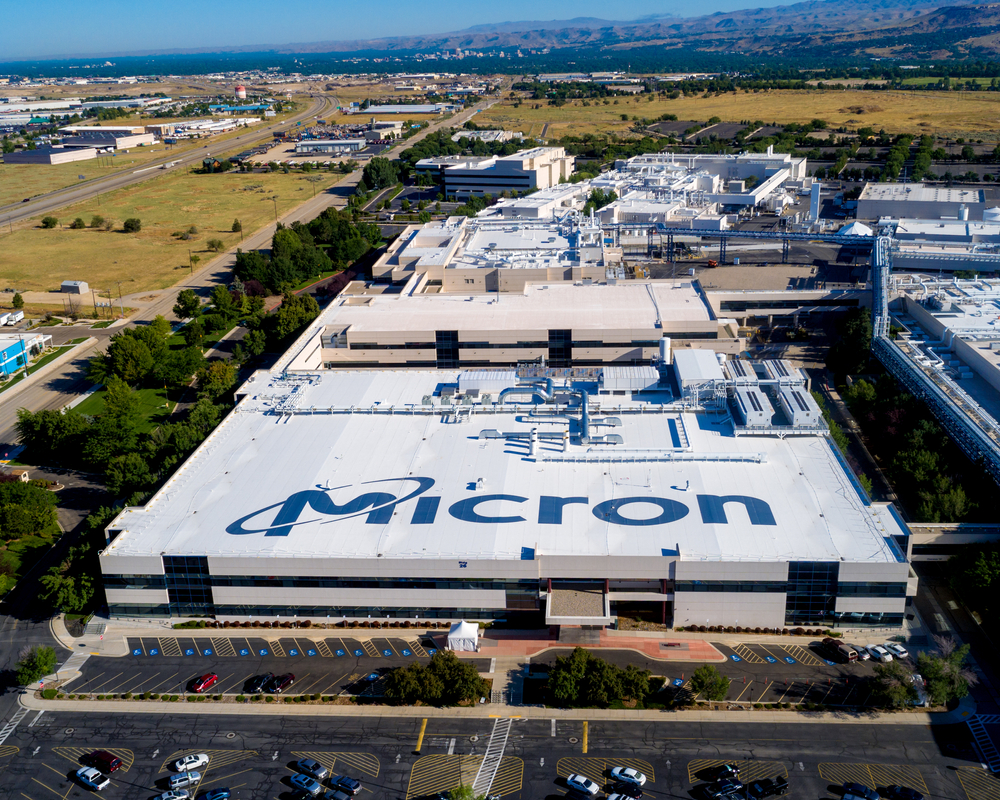
In fiscal Q1 2026, Micron reported revenue of 13,64 billion USD and GAAP net income of 5,24 billion USD, i.e., 4,60 USD per share, while on an adjusted basis it reported 4,78 USD per share. DRAM accounted for 79% of revenue, i.e., 10,812 billion USD, NAND 20%, i.e., 2,743 billion USD. Within Micron’s segments, the largest unit was Cloud Memory at 5,284 billion USD, which represents 39% of the company’s revenue and achieved a gross margin of 66%.
Why AI memory is at the core of the crisis
The key pressure is in data centers, especially in HBM (High Bandwidth Memory) for AI accelerators. Micron states that for calendar year 2026 it already has HBM covered by contracts for both prices and volumes and at the same time estimates HBM market growth from approximately 35 billion USD in 2025 to approximately 100 billion USD in 2028.
The problem is that HBM ties up capacities disproportionately strongly. Micron directly mentions an approximate ratio of 3:1 versus DDR5, so shifting production toward HBM worsens the availability of more common memories as well. Therefore, it plans capital expenditures in fiscal year 2026 of approximately 20 billion USD, while part of the effect will be reflected in real supply only with a delay.
December 2025 as a turning point for market expectations
Micron sharply raised expectations with figures for the next quarter as well. For fiscal Q2 2026 it stated revenue of 18,70 billion USD, a gross margin of 68% and an adjusted profit of 8,42 USD. In Q1, it reported an adjusted gross margin of 56,8%. At the same time, it made a decision that can be understood as redirecting attention from retail to large customers. Micron announced the termination of its consumer business Crucial after 29 years, deliveries to consumer channels are to continue until February 2026. Reuters in this context states that Micron’s HBM revenue was nearly 2 billion USD in August, which underscores where today’s main priority is.
What will this do to prices and what will an ordinary person notice
TrendForce writes that smartphone and notebook brands are already responding by raising prices and reducing configurations, while in the low smartphone segment the base of 4 gigabytes of DRAM in 2026 is mentioned as a return point. It also reports further growth in memory prices in 1Q 2026 and that brands are responding by raising prices or adjusting configurations. Reuters via Counterpoint adds hard numbers on the impact, in phones under $200 component costs increased by 20 to 30% since the beginning of 2025 and smartphone shipments in 2026 are expected to fall by 2,1%. Micron also states that in the third calendar quarter of 2025 flagship smartphones with 12 gigabytes of DRAM accounted for 59%, which suggests that memory in the premium segment grows even when it is more expensive and therefore the pressure can easily be transferred into the prices of devices and services. [1]
Outlook for the next year
Micron speaks of tight conditions across both DRAM and NAND throughout 2026 and at the same time suggests that shipment growth will be limited by supply. Reuters via Counterpoint also warns of the risk that by the end of 2026 server memory prices could still double if AI continues to absorb capacities. In practice, this means that easing will depend on when production capacities and advanced packaging for HBM actually expand, with Micron supporting this with planned capital expenditures around 20 billion USD in fiscal year 2026. [2]
Warning! This marketing material is not and must not be understood as investment advice. Data related to the past is not a guarantee of future returns. Investing in a foreign currency can affect returns due to fluctuations. All trades in securities can lead to both profits and losses. Forward-looking statements represent assumptions and current expectations that may not be accurate, or are based on the current economic environment, which may change. These statements do not guarantee future performance. InvestingFox is a trade name of the company CAPITAL MARKETS, o.c.p., a.s. regulated by the National Bank of Slovakia.
[1,2] Forward-looking statements represent assumptions and current expectations that may not be accurate, or are based on the current economic environment, which may change. These statements do not guarantee future performance. Forward-looking statements by their nature include risk and uncertainty, because they relate to future events and circumstances that cannot be predicted and actual developments and results may differ materially from results expressed or implied in any forward-looking statements.
Sources:
https://investors.micron.com/static-files/088991c5-a249-4f66-a0a6-258d9b66f3f9
https://www.trendforce.com/presscenter/news/20251211-12831.html