 English

 Slovak
 Czech
Czech
 Hungarian
 Italian
 Polish
 Slovenian





Deepening Instability in the Middle East
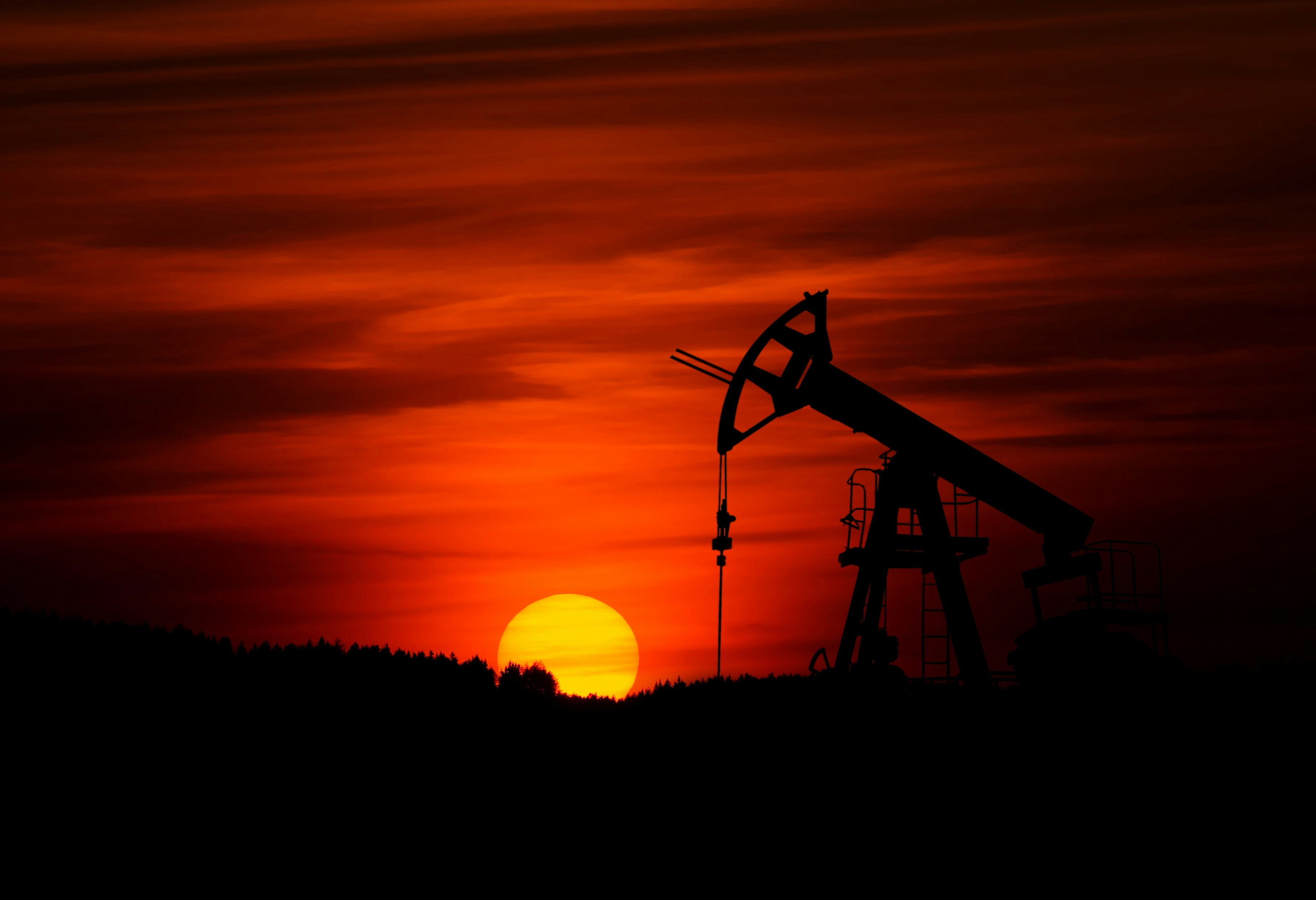
When it comes to potential risks to oil supply, the Middle East remains a focal point following the outbreak of war between Israel and Hamas. The conflict has spilled beyond Israel’s borders into Lebanon, Iran, and Syria, where the recent fall of Bashar al-Assad’s regime has further complicated matters. Multiple factions are vying for control in Syria, creating instability linked to power struggles and territorial disputes. While Syria is not a major oil supplier, its alliances with oil giants Iran and Russia are significant. According to Reuters, shipping records show at least one instance since the coup where an oil tanker en route from Iran to Syria turned back.
Demand Growth Expected in 2025
The IEA projects global oil demand to grow by 1.1 million barrels per day (bpd) in 2025, an acceleration of 260,000 bpd from this year. Growth is expected to be driven primarily by developing countries in Southeast Asia, despite weak economic performance in China, the world’s largest oil consumer. Strategic stockpiling and increased industrial reserves are also anticipated to play a key role. While OPEC+ has postponed its decision to ease production curbs for the third time, non-OPEC countries are expected to ensure adequate global supply. Oil prices have remained relatively stable, but geopolitical factors continue to pose risks of heightened volatility. Long-term supply agreements, such as the recent deal between Russia's Rosneft and India’s Reliance for 500,000 bpd over the next decade, could further shift global trade dynamics and strengthen Indo-Russian energy ties.
Sanctions and Rate Cuts Supporting Oil Prices
For investors betting on higher oil prices, hopes are fuelled by the potential for further interest rate cuts by the U.S. Federal Reserve. November's annual inflation rate rose slightly to 2.7%, in line with expectations, bolstering the case for looser monetary policy. Lower rates typically stimulate economic growth, which could increase oil demand and push prices higher. [1] However, the abundant supply forecasted for 2025 could limit significant price surges. Meanwhile, European Union leaders agreed on December 11, 2024, to impose a new sanctions package against Russia to further restrict Russia’s ability to supply oil to EU countries, causing a slight uptick in prices.*
On December 16, 2024, WTI crude oil futures contract for January 2025 was trading around $70 per barrel, while February 2025 Brent futures contract was just below $74 per barrel. The stability in oil prices has been supported by a strengthening U.S. dollar over recent months.*

Source: investing.com*
Why Do OPEC+ and IEA Projections Diverge?
OPEC+ has also adjusted its oil demand outlook, predicting a 1.6 million bpd increase this year and 1.4 million bpd in 2025. Monthly revisions by both OPEC+ and the IEA often differ significantly, sometimes by hundreds of thousands of barrels per day. The disparity stems from differences in methodology, perspectives, and objectives. The IEA relies on data from advanced economies and incorporates the global shift toward renewable energy in its analysis. OPEC+, on the other hand, focuses on data from its member states and prioritizes maximizing oil revenues, assuming a more stable demand trajectory. While the IEA emphasizes long-term environmental goals, OPEC+ pays greater attention to short-term factors such as seasonal fluctuations, political stability, and emerging market trends.
Conclusion
Political and military conflicts in the Middle East, coupled with weaker economic growth in China, could impact the oil market in the months ahead. While the IEA expects oil demand to continue growing, supply appears stable thanks to robust production from the U.S. and other non-OPEC countries. Investors must monitor not only market dynamics but also broader macroeconomic factors, such as central bank policies, which could significantly influence oil prices.
David Matulay, analyst of InvestingFox
* Historical data is not a guarantee of future performance.
[1] Forward-looking statements represent assumptions and current expectations that may not be accurate or are based on current economic conditions that may change. These statements are not guarantees of future performance. Forward-looking statements by their nature involve risk and uncertainty because they relate to future events and circumstances that cannot be predicted, and actual developments and results may differ materially from those expressed or implied by any forward-looking statements.
Caution! This marketing material is not and should not be construed as investment advice. Historical data is not a guarantee of future performance. Investing in foreign currencies may affect returns due to fluctuations. All securities transactions may result in both profits and losses. Forward-looking statements represent assumptions and current expectations that may not be accurate or are based on current economic conditions that may change. These statements are not guarantees of future performance. InvestingFox is a trademark of CAPITAL MARKETS, o.c.p., a.s. regulated by the National Bank of Slovakia.
Sources:
https://www.iea.org/reports/oil-market-report-december-2024