 Polish

 English
 Slovak
 Czech
Czech
 Hungarian
 Italian
 Slovenian





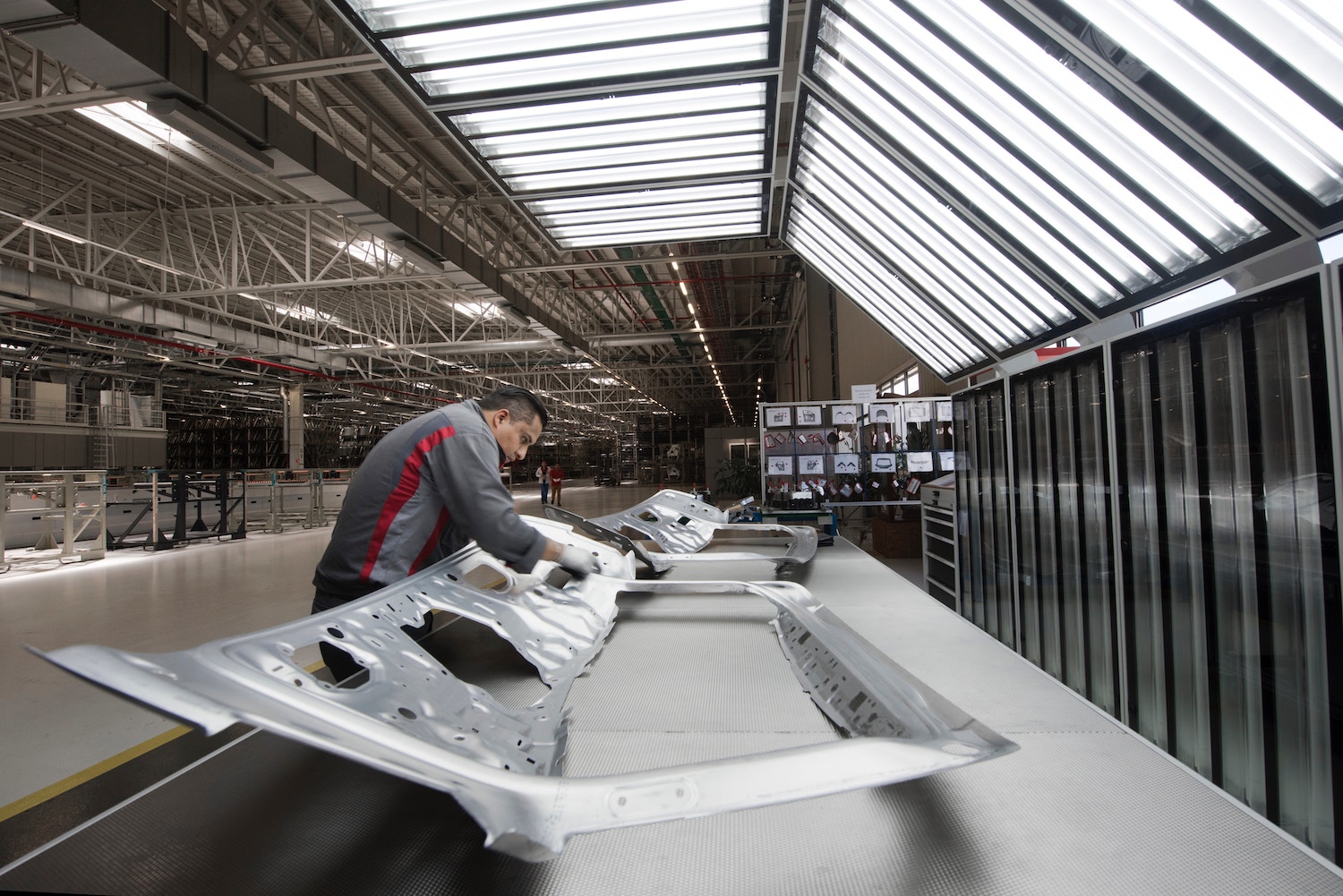
Chinese electric car manufacturer BYD has announced that it will build its first battery-powered vehicle factories in Europe. The factory will be built right in the European Union, in Hungary. According to German newspaper Frankfurter Allgemeine Sonntagszeitung, the announcement came after Hungarian Prime Minister Viktor Orbán met with BYD's president Wang Chuanfu. By the end of this year, it should be clear where the Chinese will build their factory.
This news has been circulating in the public domain and has caused embarrassment, to say the least. For some European carmakers, it may even have been dismay. The fact is that European car manufacturers have been worried about Chinese competition for quite a few years, and now their fears are coming true. This comes not long after the head of French carmaker Renault said that China is very competitive in the production of electric cars and that Europe should do everything it can to keep up with China.
Any competition, not just Chinese competition, is unwelcome for the European car industry. Equally unpleasant is the news that Chinese battery car manufacturers are trying to establish themselves on the European market. But that is only one side of the coin. On the other side we find end customers, and for them such news can sound like heavenly music. The result of any competitive pressures is always fierce competition for buyers, which translates, among other things, into downward pressure on price and, at the same time, an increase in the quality of the product on offer.
So if the Chinese bring European car manufacturers out of their lethargy, from the consumer's point of view that is only a good thing. After all, European car manufacturers have been facing fairly stiff competition from a completely different part of the globe for several years now. Yes, from the United States. The Tesla car company there has been on a successful upward trajectory and has long since put traditional car companies such as Toyota, General Motors, Ford and Volkswagen in its pocket in terms of market capitalisation.
And it is only a matter of time before Tesla becomes the global leader in terms of car production as well. For the record, as recently as 2020, Tesla delivered just under 510,000 vehicles to the market and ranked 27th in the list of automakers by number of vehicles sold. Two years ago, it jumped to 18th place and last year it was in the top 15 with almost 1.4 million vehicles sold.
Tesla will also have to deal with growing Chinese competition. And not just Chinese. On the other side of the Atlantic, the first shots have already been fired in the price war between electric car manufacturers. The American carmaker Lucid has announced that it is cutting the price of its Air Touring model from $95,000 to $87,500. The Grand Touring model will be cheaper by 10 thousand dollars and the Air Pure four-wheeler will cost less than 75 thousand, when the previous price was over 82 thousand dollars. Tesla is following a similar path, trying to match its Lucid pricing.
That brings the average price of an electric car to $50,683 in September, according to Cox Automotive, which is already very competitive compared to many models of internal combustion engine vehicles. And electric cars can be expected to continue to get cheaper. So it's very likely that the share of pure battery cars in new registrations will continue to grow beyond its current 14.8 percent that EVs achieved in September in the non-European market.
Warning! This marketing material is not and should not be construed as investment advice. Past data is not a guarantee of future returns. Investing in foreign currency may affect returns due to fluctuations. All securities transactions may result in both gains and losses. Forward-looking statements represent assumptions and current expectations that may not be accurate or are based on the current economic environment, which may change. These statements are not guarantees of future performance. CAPITAL MARKETS, o.c.p., a.s. is an entity regulated by the National Bank of Slovakia.