
Powrót do bloga

Cocoa Prices on Record Heights upon Weak Production

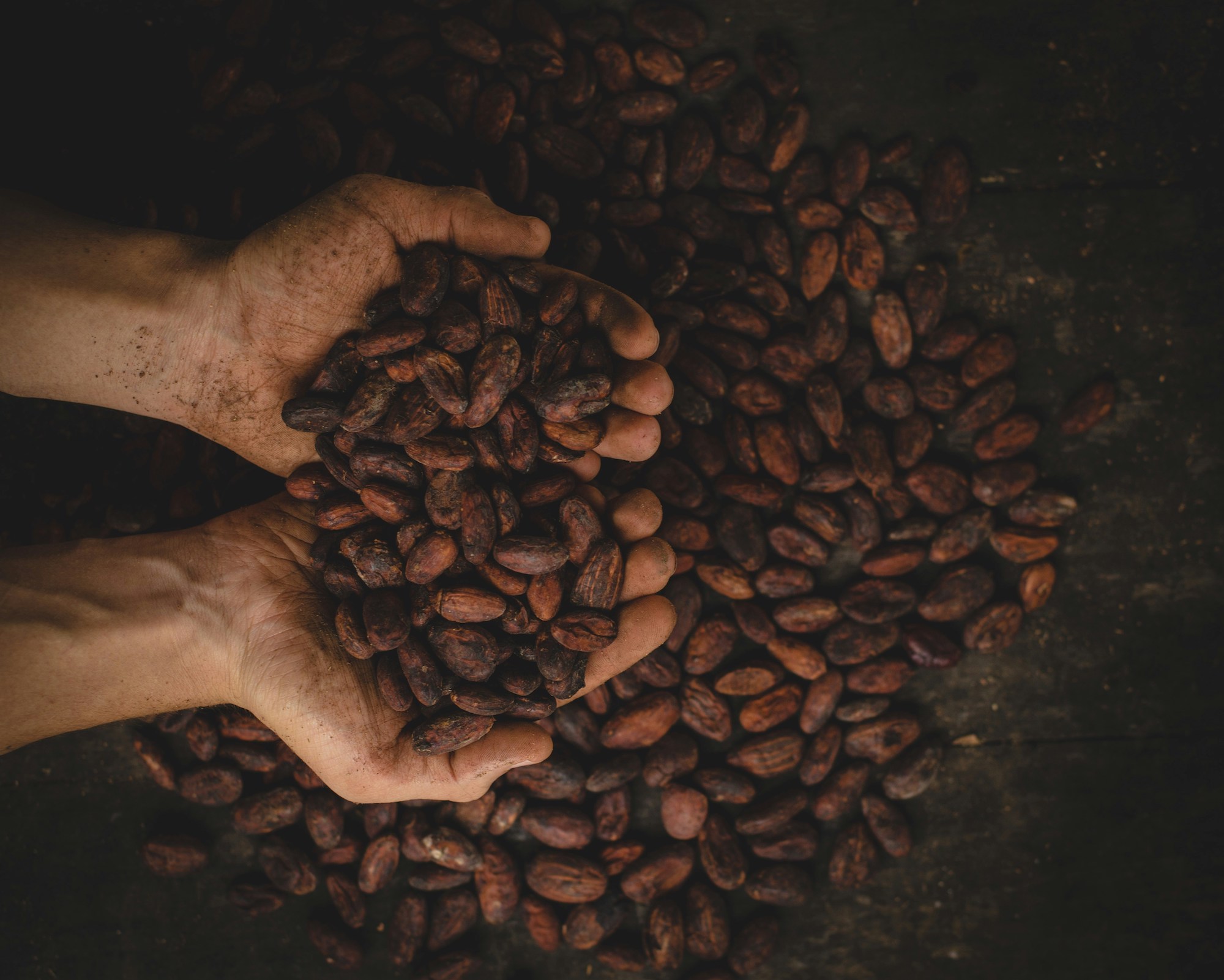
Cocoa prices are reaching their record levels in London and New York due to crop destruction in Ghana and Ivory Coast, the world's top cocoa producers. Unprecedented weather conditions, including heavy rains and plant diseases, have severely impacted harvests, leading to a supply shortage. Prices have more than doubled during 2023, risking decreased demand amid concerns over inflation. The current meteoric rise in prices is expected to continue, with production declining significantly over the past year.

Cocoa Prices on Record Heights upon Weak Production

Benchmark cocoa futures in London and New York surged, doubling in price since the previous year. * Traders fear the shortage may persist into the following year. In contrast, other soft commodities like sugar and coffee experienced mixed price movements.

Snímek obrazovky 2024-02-12 v 12.59.33

Source: https://www.investing.com/commodities/us-cocoa

Climate change is a growing challenge for cocoa farmers in the region, affecting production in both Ghana and Ivory Coast, which contribute to nearly 60% of global cocoa harvests. The resurgence of the El Nino climate phenomenon poses further threats to cocoa production in West Africa, exacerbating supply deficits. Meteorologist and commodity trading advisor Jim Roemer notes that historical trends suggest price fluctuations, but current conditions in cocoa-producing regions of West Africa may sustain the squeeze on supply.

The region's cocoa shipments have plummeted by a staggering 36% compared to the previous year, prompting regulatory intervention in the form of halting forward sales for the upcoming season until a clearer production outlook emerges. The approval for the importation of cocoa beans by the Ghana Cocoa Board (COCOBOD) has stirred controversy among local citizens. While the letter authorizing the importation does not provide reasons, it has sparked concerns among Ghanaians, who view cocoa production as vital to the country's economy.

Industry experts note that allowing cocoa bean imports is not uncommon, as it has been practiced for years to meet the needs of cocoa processors. However, some stakeholders raise questions about the timing, quantity, and reasons for the imports, especially during the main cocoa crop season. This situation has led some local cocoa processors to halt operations or resort to importing beans, raising alarms about the future of the cocoa industry in Ghana. These problems only add up to the existing ones concerning weather conditions.

Chocolate makers are facing challenges as they try to offset rising cocoa costs by passing them on to consumers. Despite enjoying profits in recent years, demand for chocolate may be waning as cocoa prices hit record highs and sugar prices soar. Consumers in Europe and the United States have already experienced significant price increases and are reducing their chocolate purchases.

Private label chocolate sales are increasing, even with price rises. Some chocolate makers plan modest price increases and automation to manage production costs, hoping to reverse declining sales volumes. While global cocoa production witnessed a marginal uptick, inventories remain precariously low, with projections indicating a deficit for the current season. This grim scenario is mirrored in diminished cocoa grindings across major consumption regions, signalling early indications of demand erosion in response to soaring prices.


InvestingFox

Sources:

https://www.voaafrica.com/a/cocoa-prices-spike-amid-climate-threats/7478949.html

https://www.reuters.com/markets/commodities/cocoa-prices-soar-record-highs-traders-scramble-supplies-2024-02-09/

https://woezor.tv/uproar-as-cocobod-approves-3500mt-cocoa-importation/

* Past performance is no guarantee of future results.

Czytaj więcej

Firmy Nvidia i Amazon rozpoczynają nowy etap wyścigu w dziedzinie sztucznej inteligencji: milion chipów wskazuje kierunek, w którym zmierzają setki miliardów

Firmy Nvidia i Amazon rozpoczynają nowy etap wyścigu w dziedzinie sztucznej inteligencji: milion chipów wskazuje kierunek, w którym zmierzają setki miliardów

Kiedy najwięksi gracze na rynku technologicznym przestają mówić o wizjach i zaczynają rezerwować fizyczne moce obliczeniowe z wieloletnim wyprzedzeniem, zmienia się charakter całej branży. Do końca 2027 roku firma Nvidia dostarczy działowi chmury obliczeniowej Amazona nawet milion układów GPU, a dostawy mają rozpocząć się już w tym roku. Na pierwszy rzut oka jest to po prostu kolejna duża transakcja korporacyjna w dziedzinie sztucznej inteligencji. W rzeczywistości jednak ta wiadomość ujawnia coś znacznie ważniejszego.

Ackman rzuca wyzwanie muzycznemu gigantowi: Pershing Square zamierza przejąć kontrolę nad Universal Music za 64 miliardy dolarów

Ackman rzuca wyzwanie muzycznemu gigantowi: Pershing Square zamierza przejąć kontrolę nad Universal Music za 64 miliardy dolarów

Bill Ackman po raz kolejny podjął znaczącą inwestycję kapitałową, tym razem w jednym z najbardziej stabilnych i dochodowych segmentów branży medialnej. Jego firma, Pershing Square, złożyła niewiążącą ofertę przejęcia Universal Music Group o wartości około 55,75 mld euro, czyli około 64,31 mld dolarów. Celem jest nie tylko samo przejęcie, ale także zbliżenie firmy do rynku amerykańskiego, osiągnięcie wyższej wyceny oraz poszerzenie grona inwestorów.

Unilever zmienia zasady gry: fuzja z firmą McCormick doprowadzi do powstania przedsiębiorstwa o wartości 65 miliardów dolarów

Unilever zmienia zasady gry: fuzja z firmą McCormick doprowadzi do powstania przedsiębiorstwa o wartości 65 miliardów dolarów

Firma Unilever podjęła jedną ze swoich największych decyzji strategicznych ostatnich lat, zgadzając się na połączenie swojego działu Unilever Foods z firmą McCormick, tworząc w ten sposób globalną grupę o wartości około 65 miliardów dolarów, której łączne przychody w roku podatkowym 2025 wyniosą około 20 miliardów dolarów. Dla akcjonariuszy nie jest to tylko kolejna informacja o fuzji, ale wyraźny sygnał, że kierownictwo Unilever chce radykalnie zrestrukturyzować portfel i przenieść punkt ciężkości firmy na szybciej rozwijające się kategorie poza sektorem żywności pakowanej. Tym bardziej interesujące jest to, że rynek nie przyjął tej transakcji z entuzjazmem.[1]

Apple i wiosna sztucznej inteligencji: cichy powrót króla?

Apple i wiosna sztucznej inteligencji: cichy powrót króla?

Firma Apple nie wkracza na rynek sztucznej inteligencji poprzez głośne nagłówki w mediach, ale poprzez urządzenia, które użytkownicy trzymają w rękach każdego dnia. Na początku marca firma zaprezentowała iPhone'a 17e z chipem A19, 256 GB pamięci podstawowej i ceną 599 dolarów, a w ostatnim kwartale odnotowała przychody w wysokości 143,8 mld dolarów, rozwodniony zysk na akcję wynoszący 2,84 dolara oraz przepływy pieniężne z działalności operacyjnej wynoszące prawie 54 mld dolarów. Właśnie w tym miejscu zaczyna się istota całego tematu. Firma nie próbuje sprzedawać sztucznej inteligencji jako samodzielnego produktu, ale jako powód do częstszej wymiany iPhone'ów, pozostania w ekosystemie oraz korzystania z nowych funkcji bezpośrednio w systemie, aplikacjach i usługach.