

Powrót do bloga

The Australian miners' strike is over. Can we expect cheaper natural gas?

Tension between workers and management at Woodside and Chevron, two companies operating in Australia's gas fields, have eased after nearly two months. Disputes between the two parties ended up in a strike that ended only a week ago. Therefore, one of main suppliers of liquefied LNG is once again supplying mostly Asian customers, which is a positive message for the global market with natural gas. Yet, will this change bring cheaper gas not only to Europe?

The Australian miners' strike is over. Can we expect cheaper natural gas?

The uncertainty over natural gas production in Australia has troubled the world since the beginning of August. After a month of unsuccessful negotiations between the management of Woodside and the Australian subsidiary of US-based Cehvron and their employees, the worst happened - Australian miners went on strike. The world had to do without roughly seven per cent of the global supply of LNG.

Australian liquefied natural gas (LNG) usually heads to Asian customers. When these supplies were disrupted, major Asian economies have had to source gas from other parts of the world. Countries such as China and Japan have began to buy the commodity from same locations as many European countries.

It soon affected prices of natural gas in Europe, yet not as greatly as had been expected. The European market experienced volatility instead of dramatic price increase. The price of natural gas had already risen during June, from around USD 2.1 to USD 2.8 per gigajoule, while the price was mostly between USD 2,4 a 2,9 per gigajoule during summer. After the end of the Australian miners' strike, the price dropped slightly, but did not return to the levels last seen in early June. Currently, natural gas is even more expensive on global markets ($2.95 per gigajoule) than it was at the beginning of August, when the situation around the Australian miners escalated.*

The data shows that the end of the strike on Australian gas fields did not have a major impact on the price of LNG on global markets. The economy is more driven by longer-term trends, in particular demand in the world's major economic centres. According to an analysis by Fitch Ratings, for example, demand for natural gas in the European Union has been declining over the past two years (data for the first quarter of 2023). While in the first six months of 2021, the European Union consumed more than 220 billion cubic feet of gas, last year's first half was only about 200 billion, and this year it is even less than 180 billion cubic feet. In two years, the EU's gas consumption has therefore fallen by around one fifth.

This year's progress largely depends on how European Union countries managed to keep their gas storage tanks filled. During the year, storage capacity appears to have followed the upper end of the range in which it has been in recent years. At the end of August, EU gas storage facilities were approximately 90 per cent full. The amount represented less than 80 percent what is below the long-term average.

The production in the United States and the global export of this commodity are important aspects to the global LNG market. For the first half of 2023, U.S. LNG export increased four percent year-over-year to a volume of 11.6 billion cubic feet per day. Australia remained at "its" average of 10.6 billion cubic feet per day, with Qatar taking the imaginary third place with 10.4 billion cubic feet per day.

The United States of America had exported about 136 times more gas in the past two years than back in 2015. The US might be willing to supply as much gas to the global market as Europe will be willing to buy. To sum up, the strike by Australian producers was only a small episode, but did not have a major impact on the amount of natural gas on the global market.


-------

* Past data is not a guarantee of future returns.

Warning! This marketing material is not and should not be considered investment advice. Past performance is not a guarantee of future returns. Investing in foreign currency may affect returns due to fluctuations. All securities transactions may result in gains and losses. Forward-looking statements represent assumptions and current expectations that may not be accurate or are based on the current economic environment, which may change. These statements are not guarantees of future performance. CAPITAL MARKETS, o.c.p., a.s. is an entity regulated by the National Bank of Slovakia.

InvestingFox jest znakiem towarowym spółki CAPITAL MARKETS, o.c.p., a.s. z siedzibą przy ulicy Slávičie údolie 106, Bratysława – dzielnica Staré Mesto 811 02. Spółka jest wpisana do Rejestru Handlowego Sądu Miejskiego Bratysława III, sekcja: Sa, numer wpisu: 4295/B, numer identyfikacyjny: 36 853 054, numer identyfikacji podatkowej: 2022505419.

CAPITAL MARKETS, o.c.p., a.s. jest podmiotem prowadzącym działalność w zakresie obrotu papierami wartościowymi zgodnie z § 55 ust. 1 ustawy nr 566/2001 Z. z. o papierach wartościowych i usługach inwestycyjnych oraz o zmianie i uzupełnieniu niektórych ustaw w brzmieniu późniejszych przepisów (zwanej dalej ustawą o papierach wartościowych). Spółce CAPITAL MARKETS, o.c.p., a.s. w dniu 30.10.2007 r. przyznano decyzją Narodowego Banku Słowacji nr OPK-2297/2007 -PLP zezwolenie na świadczenie usług inwestycyjnych w rozumieniu § 54 ust. 2 w związku z § 59 ust. 2 i 3 ustawy o papierach wartościowych, które zgodnie z przepisami ustawy o papierach wartościowych zostało rozszerzone decyzją nr OPK-1830/2008-PLP z dnia 21 kwietnia 2008 r., decyzją nr OPK-11601-1/2008 z dnia 28 stycznia 2009 r., decyzją nr ODT-5059-3/2012 z dnia 23 lipca 2012 r. oraz decyzją nr ODT-9332/2014-1 z dnia 21 października 2014 r.

Czytaj więcej

Lamb Weston zaskakuje rynek akcji: zysk spada o 55%, a kurs akcji rośnie o 7,5%

Lamb Weston zaskakuje rynek akcji: zysk spada o 55%, a kurs akcji rośnie o 7,5%

Producent mrożonych frytek, firma Lamb Weston, ogłosiła swoje wyniki 6 października 2026 r., ujawniając uderzającą rozbieżność między zgłoszonymi zyskami a reakcją rynku akcji. Zysk netto spadł o 55% w ujęciu rok do roku, jednak inwestorzy zareagowali kupując akcje. Firma przekroczyła oczekiwania i podniosła prognozę na cały rok. Wzrost sprzedaży w Ameryce Północnej oraz działania mające na celu redukcję kosztów sugerują, że zmiany w działalności firmy zaczynają przynosić efekty. Pozostaje jednak pytanie, czy ten postęp wystarczy, by rozwiązać problemy za granicą. [1]

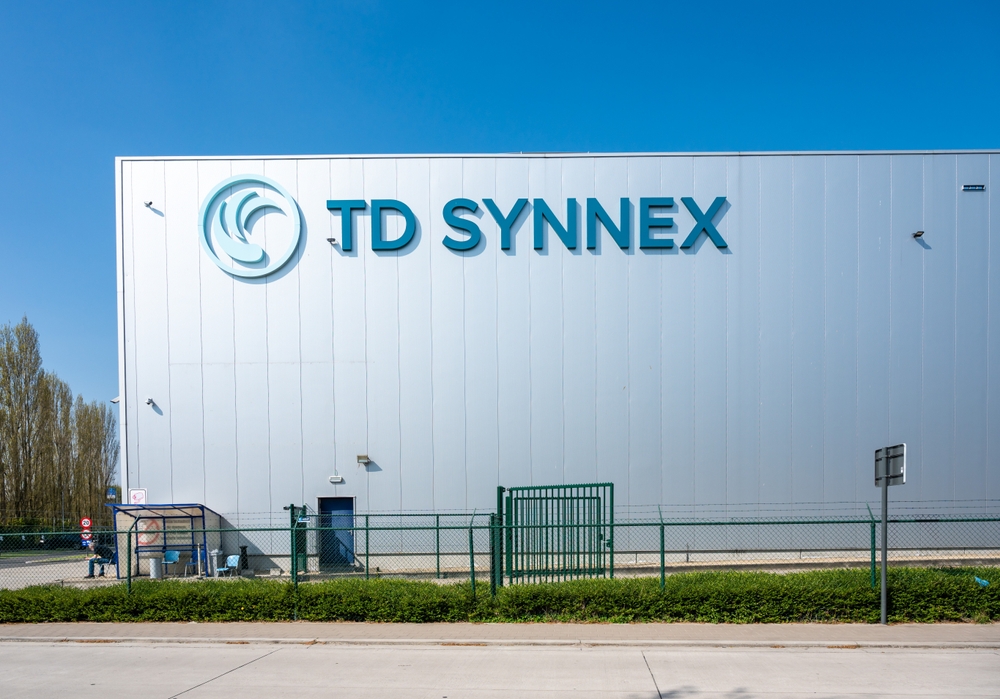
TD SYNNEX znacznie przekroczył oczekiwania: przychody wzrosły o 38%, ale po opublikowaniu wyników finansowych kurs akcji spadł

TD SYNNEX znacznie przekroczył oczekiwania: przychody wzrosły o 38%, ale po opublikowaniu wyników finansowych kurs akcji spadł

Firma TD SYNNEX opublikowała wyniki, które na pierwszy rzut oka wydają się bardzo dobre i potwierdzają, że firma czerpie korzyści z rosnącego popytu na infrastrukturę technologiczną. Jednak po bliższym przyjrzeniu się sytuacja nie jest już tak jednoznaczna. Za rekordowymi wynikami kryje się połączenie szybkiej ekspansji, zmieniających się marż oraz znacznych wahań przepływów pieniężnych, na które inwestorzy zaczęli zwracać znacznie większą uwagę niż na sam wzrost przychodów. To właśnie różnica między tym, co pokazuje rachunek zysków i strat, a tym, co dzieje się pod powierzchnią, sprawia, że ostatni kwartał TD SYNNEX jest znacznie bardziej interesującą historią, niż sugerowałyby to same dane z nagłówków.

AutoZone zaskakuje Wall Street wynikami finansowymi: zysk na akcję wzrósł o 15%, ale spadek sprzedaży wskazuje na trudności klientów

AutoZone zaskakuje Wall Street wynikami finansowymi: zysk na akcję wzrósł o 15%, ale spadek sprzedaży wskazuje na trudności klientów

Firma AutoZone zamknęła rok obrotowy 2026 wynikami, które na pierwszy rzut oka wydają się bardzo dobre. Przychody w czwartym kwartale wzrosły o 5,6% rok do roku do 6,59 mld dolarów, zysk netto wzrósł do 931,6 mln dolarów, a zysk na akcję wyniósł 56,05 dolarów, czyli o około 15% więcej niż rok temu i powyżej oczekiwań Wall Street. Jednak pod powierzchnią nadal tkwi słabość. Wzrost sprzedaży w sklepach porównywalnych okazał się niższy od prognoz, a amerykańscy majsterkowicze nadal ograniczają swoje zakupy.1

Oracle nabiera tempa w dziedzinie sztucznej inteligencji: przychody z usług w chmurze wzrosły o 121%, a wartość podpisanych umów osiągnęła 664 mld dolarów

Oracle nabiera tempa w dziedzinie sztucznej inteligencji: przychody z usług w chmurze wzrosły o 121%, a wartość podpisanych umów osiągnęła 664 mld dolarów

Firma Oracle rozpoczęła nowy rok obrotowy od wyników, które po raz kolejny potwierdziły, że jej transformacja w kierunku chmury i sztucznej inteligencji nabiera tempa. Firma przekroczyła oczekiwania rynku i wykazała znaczne przyspieszenie w obszarach, w które w ostatnich latach skierowała większość swoich inwestycji. Za tymi dobrymi wynikami kryje się jednak pytanie, które będzie miało coraz większe znaczenie dla inwestorów. Oracle rozwija się dynamicznie, ale droga do dalszej ekspansji będzie niezwykle kosztowna. [1]