English

 Slovak
 Czech
 Hungarian
 Italian
 Polish
 Slovenian


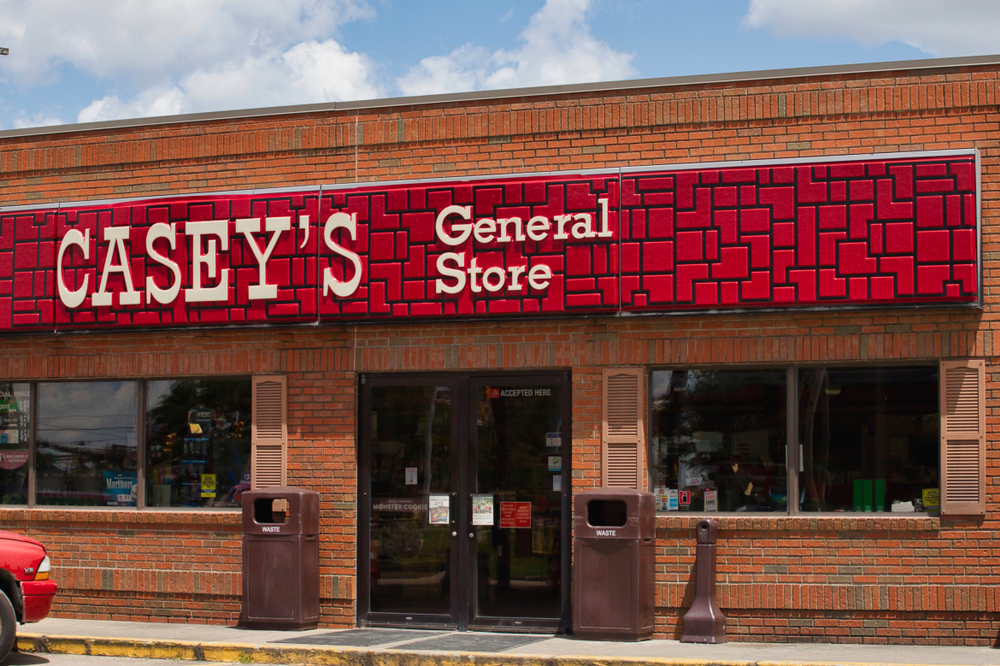
Profits Grew Faster Than the Business Itself
Casey’s total revenue for the quarter ending July 31, 2026, reached $5.68 billion, compared to $4.57 billion a year ago, representing year-over-year growth of approximately 24%. Net income rose from $215.4 million to $273.7 million, and diluted earnings per share jumped from $5.77 to $7.37. EBITDA reached $485.1 million, up 17.1% year-over-year. These results show that Casey’s was able to translate its growing store network not only into higher revenue but also into even faster net income growth.[1]
From an investor’s perspective, the comparison with market expectations was also important. According to data, analysts had expected revenue of approximately $5.56 billion and earnings of $6.78 per share. Casey’s thus beat the consensus on both key metrics. However, simply beating expectations was not enough to trigger a positive stock reaction, as the market focused more on the quality of growth and on which parts of the business were driving the higher profits.[2]
Same-store sales are beginning to lose momentum
The biggest question mark surrounding the results was the performance of in-store sales. Total in-store sales rose by 5.6% to approximately $1.78 billion, but comparable sales at existing stores increased by only 3.2%. During the same period last year, they grew by 4.3%. In contrast, the in-store sales margin improved slightly from 41.9% to 42.2%, and gross profit from this segment rose by 6.3% to $749.8 million. Casey’s is thus earning more from in-store sales, but the pace of growth in customer spending is slowing.1
The difference was also evident across individual categories. Comparable sales of prepared foods and draft beverages rose by 4.8%, compared to 5.6% growth a year ago. For groceries and general merchandise, growth slowed from 3.8% to 2.7%. Profitability in the food segment remains positive, with the margin rising from 58% to 59.3%. Management noted that growth in prepared meals was driven by higher foot traffic and sales of whole pizzas, while among the regular product lineup, non-alcoholic beverages performed particularly well.1
Fuel margins were the main driver of the quarter
While in-store sales slowed slightly, the fuel segment delivered significantly stronger results. Total fuel volume sold rose 2.5% to 934.2 million gallons, driven primarily by an increase in the number of locations. On a comparable basis, however, the number of gallons sold fell by 0.3%. The decisive factor was the fuel margin, which increased from 41 cents to 47.8 cents per gallon. Gross profit from fuels subsequently jumped by 19.6% to $446.9 million.1
It is precisely this part of the results that explains why the company’s overall profit was able to grow at such a rapid pace despite slower sales growth at stores. Strong fuel margins drove a significant portion of the profit growth, which also raises questions about future quarters. Fuel margins tend to be volatile, and their performance depends on oil prices, wholesale gasoline prices, and local competition. Investors will therefore be watching to see if Casey’s can maintain profit growth even in an environment where fuel margins return to more normal levels.[3]
Expansion continues, but costs are rising along with it
The growth of Casey’s network naturally translates into higher operating costs. In the first quarter, these rose by 8% to $754.1 million, compared to $698.2 million a year ago. Approximately two percentage points of the increase were attributable to operating 64 more stores than a year ago. Higher card processing fees added about 1.5 percentage points, and rising wage costs added another approximately one percentage point. The number of hours worked remained virtually unchanged, so the increase in personnel costs stemmed primarily from higher wage rates.1
Casey’s had 2,959 stores at the end of July, compared to 2,944 at the start of the fiscal year. During the quarter, it opened nine new stores, acquired 12 more through acquisitions, and closed or sold six stores. The integration of Fikes Wholesale, which added 198 stores to the Casey’s network, remains a key part of the expansion. Management states that the integration is progressing faster than originally planned, and the company expects the transaction to generate approximately $45 million in annual synergies. This could help drive further EBITDA growth, but it also increases the pressure for flawless execution.3 [1]
The outlook remains strong, but investors want more
Following the first quarter, management left its full-year outlook unchanged. Casey’s still expects same-store sales growth of 2% to 5% and a store sales margin above 42%. Fuel volume on a comparable basis is expected to range from a 1% decline to a 1% increase, while operating expenses are projected to rise by 5 to 7%. EBITDA is expected to grow by 8 to 10% for the full fiscal year 2027. The company also plans to open at least 120 stores through a combination of new construction and acquisitions and anticipates capital expenditures of approximately $800 million.1 [2]
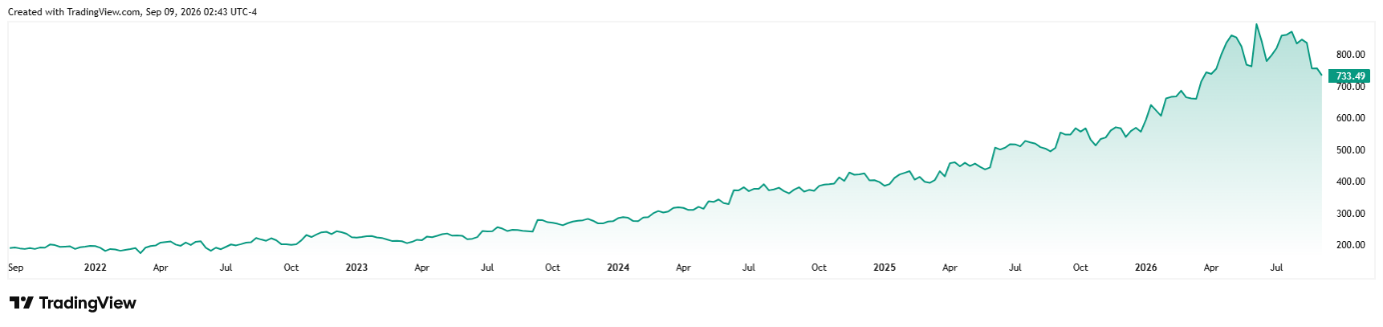
Casey’s Stock Price Performance Over the Past Five Years*
However, it is precisely this unchanged outlook that may be one of the reasons why the market reacted negatively despite a strong quarter. Casey’s shares fell by more than 10% following the earnings release, as investors placed greater weight on weaker comparable sales growth and high fuel margins than on the fact that the company beat EPS estimates.* Therefore, the future performance of the stock will depend on whether sales growth at existing stores accelerates, whether the grocery segment maintains high margins, and whether the chain’s expansion can continue without disproportionate cost increases. Casey’s has demonstrated that it can still significantly increase profits, but at its current valuation, the market also expects the company to deliver sufficiently high-quality and sustainable growth.3 [3]
[1,2,3] Forward-looking statements are based on assumptions and current expectations, which may be inaccurate, or on the current economic environment, which is subject to change. Such statements are not guarantees of future performance. They involve risks and other uncertainties that are difficult to predict. Actual results may differ materially from those expressed or implied in any forward-looking statements.
* Past performance is not a guarantee of future returns.
[1] https://investor.caseys.com/news-releases/news-release-details/caseys-announces-first-quarter-results-3
[2] https://www.wsj.com/business/earnings/caseys-same-store-sales-growth-declines-despite-higher-revenue-658a346e
[3] https://www.barrons.com/articles/caseys-general-earnings-stock-price-2c2bdf66