 Polish

 English
 Slovak
 Czech
Czech
 Hungarian
 Italian





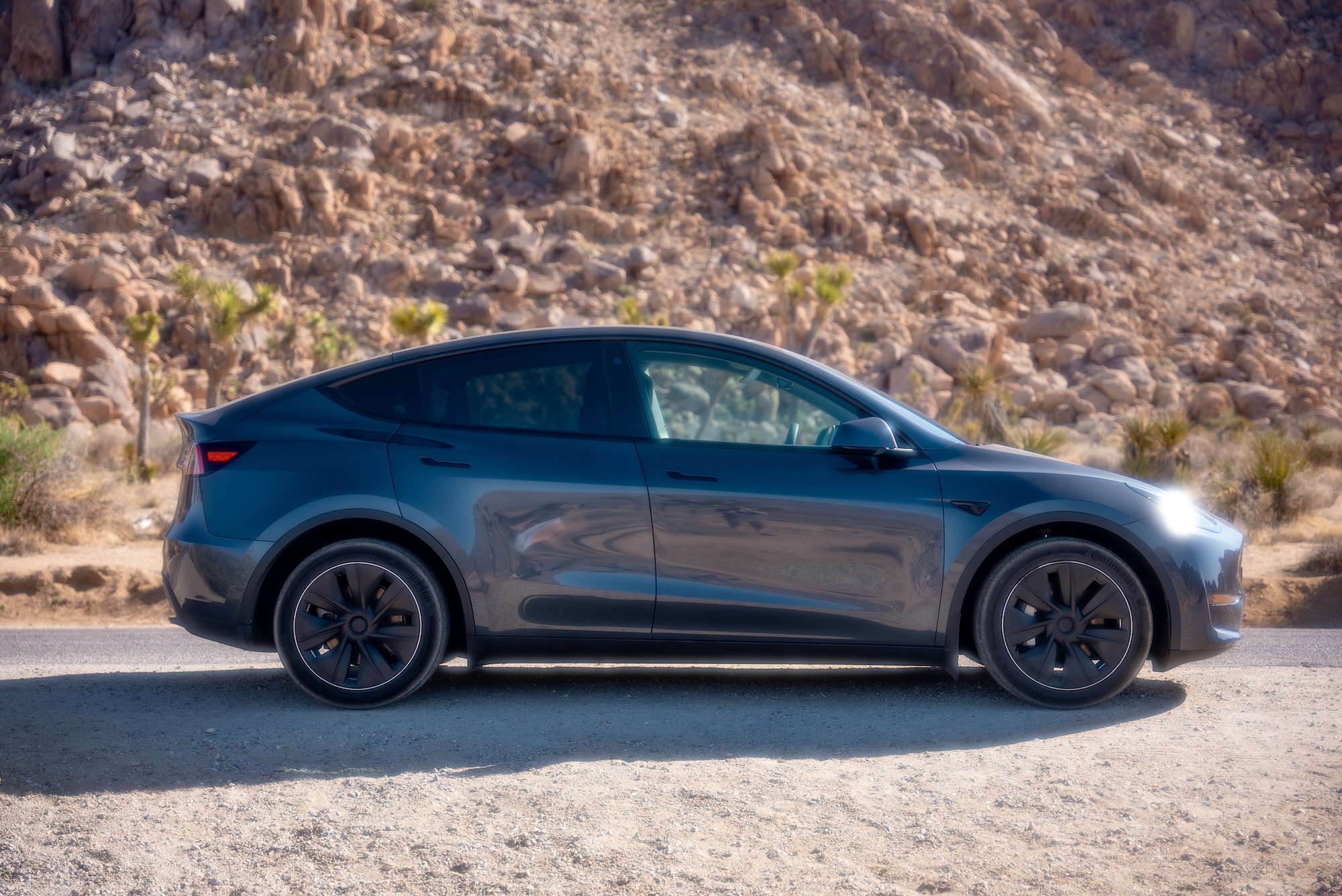
Despite a commendable 50 % growth in EV sales earlier in the year, recent months have seen a plateau, attributed to challenges such as high prices, limited charging infrastructure and varying demand across the US.
The market shift is impacting major automakers, including General Motors (GM) and Ford, which are re-evaluating their strategies for EV production and battery technology investments. The trend reversal, with EVs now taking longer to sell than gasoline cars, reflects a changing landscape for the industry.
High prices and limited charging infrastructure are key challenges contributing to the slowdown in EV sales. Consumers express concerns over prices, battery range, and a lack of charging stations, prompting automakers to trim production plans and delay investments. Even with federal subsidies, the transition to EVs faces hurdles, and automakers are adjusting their expectations based on the slower-than-anticipated consumer acceptance.
The uneven distribution of demand across the U.S. is evident, with urban areas boasting better charging infrastructure experiencing higher EV sales. This highlights the need for a more comprehensive and accessible charging network to encourage broader adoption, particularly among middle-income Americans.
In the period from January to November 2023, EV sales in the European Union accounted for nearly half of all new passenger car registrations, reaching a milestone in November alone, according to data from the European Automobile Manufacturers Association (ACEA). Electrified vehicles, including fully electric models, plug-in hybrids, and full hybrids, represented over 47.6% of total new passenger car registrations by November, marking an increase from 43% in the same period the previous year.
The EU experienced a 6.7% uptick in new car registrations in November, with electric vehicle registrations surging by 13.3% year-on-year. Germany, France, and Italy accounted for a significant portion of hybrid-electric car registrations. However, the ACEA cautioned about the EU potentially lagging behind other global EV markets, citing China's dominance in the supply chain and the US government's support for its automobile manufacturers. Some industry players, including Volkswagen and Mercedes-Benz, expressed concerns about stagnating EV demand due to intense price competition and supply chain challenges.
In brand performance, Volkswagen and Renault saw increases in November registrations, while Stellantis experienced a decline. Tesla witnessed a remarkable 45% surge in registrations, accounting for nearly 22% of all fully electric car registrations in the EU that month. Overall, new vehicle registrations in November across the EU, Britain, and the European Free Trade Association grew by 6%, reaching 1.08 million vehicles.
Despite the current challenges, there is optimism about the future of the U.S. EV market. Analysts and auto executives anticipate a rebound in 2025 with the introduction of more affordable EV models. The industry believes that as more budget-friendly options become available, the market will gradually adapt to the new technology. However, this transition is expected to encounter challenges and setbacks along the way.
Sources:
https://www.businesstechafrica.co.za/motoring-2/2023/12/22/electric-car-sales-skyrocket-in-europe/
https://www.washingtonpost.com/business/2023/12/26/ev-demand-slows/
Warning! This marketing material is not and should not be construed as investment advice. Past performance is not a guarantee of future returns. Investing in foreign currency may affect returns due to fluctuations. All securities transactions may result in both gains and losses. Forward-looking statements represent assumptions and current expectations that may not be accurate or are based on the current economic environment, which may change. These statements are not guarantees of future returns. CAPITAL MARKETS, o.c.p., a.s. is an entity regulated by the National Bank of Slovakia.