
Powrót do bloga

Giving empty promises? Investors trust Tesla, even though new car models are still awaited

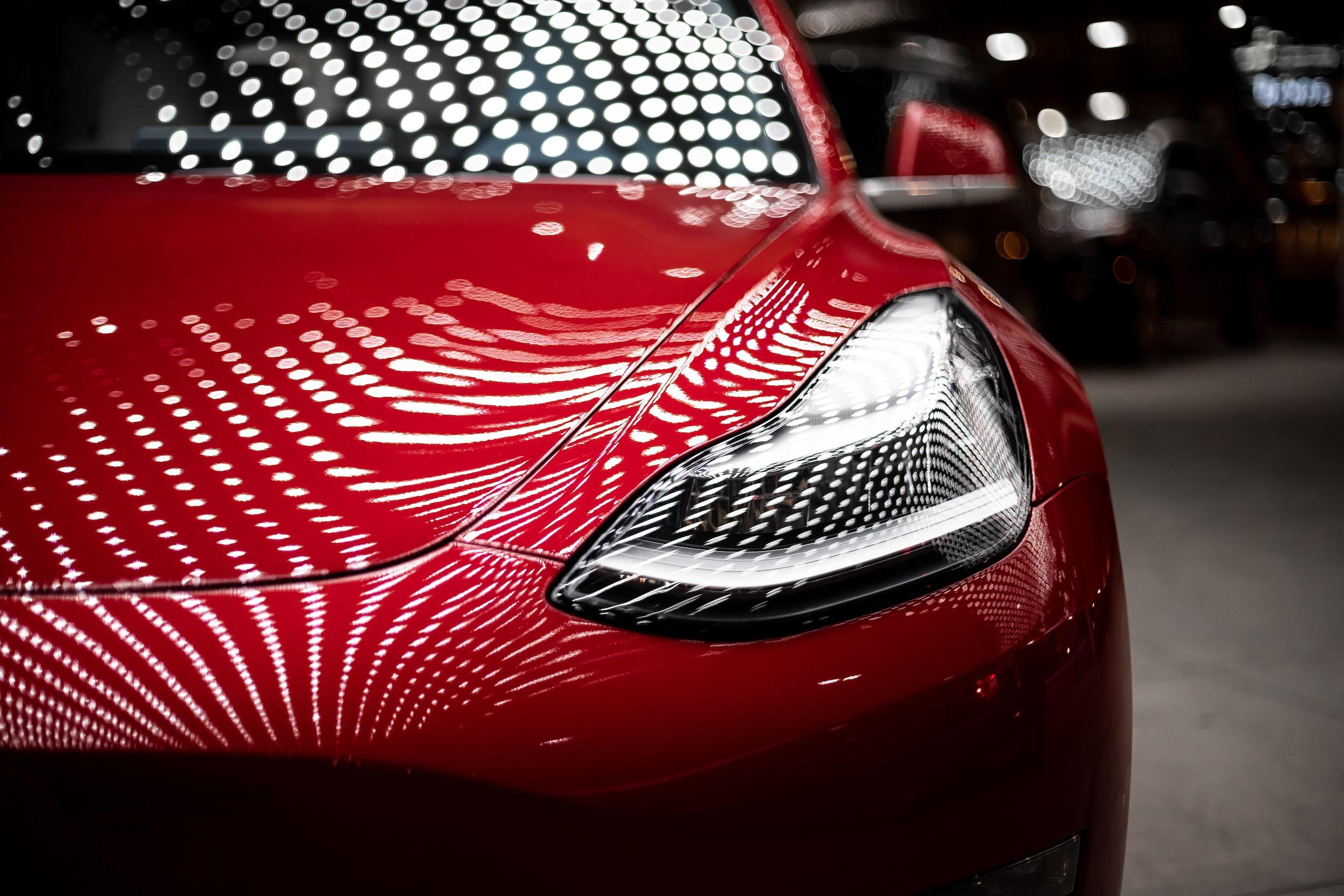
Shares of Tesla, the most valuable car company, have undergone a whirlwind progress over the past three years. Its value fell by around two-thirds over the past year, only to rise by more than 120 per cent at the beginning of 2023.* Tesla founder and key owner Elon Musk appears to enjoy playing with investors and trying their patience. Among other reasons, the announcement of the brand's new electric car models is once again... pending.

Giving empty promises? Investors trust Tesla, even though new car models are still awaited

For several years now, the American carmaker Tesla has held the title of the world's most valuable car manufacturer by market capitalization. Its current value (as of 29.9.2023) on the New York Stock Exchange is nearly 760 billion dollars. Tesla, however, has seen much better days in this regard. Tesla's stock was at an all-time high in November 2021, when it was traded for more than $400 per piece. The market capitalization was equivalent to approximately $1.27 trillion.*

Over the past year, Tesla's stock has lost about two-thirds of its value.* Much of this can be explained by the general sell-off in technology stocks. Other factors have also had an impact on value, notably the panic caused by Russia's military aggression against Ukraine, the energy crisis, high inflation and fears of a significant economic downturn in the world's key economies.

During this year, Tesla has undergone resurgence. Since January, its shares have gained nearly 124 percent, making Tesla one of the best-performing stocks on the main S&P 500 index.* The good mood among investors may be caused by the non-fulfillment of last year's catastrophic scenarios, general rise in popularity of electric cars, and expectations that Tesla will finally introduce new car models. It would be about time as Tesla has been promising to introduce new car models for quite some time.

Tesla's production volume has been growing steadily and solidly. To give you an idea, Tesla delivered just under 500,000 cars to the market in 2020. A year later, it was nearly 936,000, and last year it was already 1.3 million. Even the numbers for 2023 has been looking impressive so far. For the first two quarters of this year, Tesla has produced 889,000 vehicles, nearly the same volume as for all of 2021 and nearly 60 percent more than the same period last year.

If anything can hurt Tesla in the near term, it's losing the patience of its customers who are still waiting for new models to be introduced and delivered. For example, the extravagant Cybertruck pickup truck that Elon Musk unveiled in 2019, but which aren't due to be delivered until later this year.

A new generation of the Roadster, the first version of which has been on sale since 2017, is expected to enter the market within the next year. Elon Musk promises that the new Roadster would be able to accelerate from zero to 100 kilometers per hour within two seconds and drive up to 620 miles (nearly 1,000 kilometers) on a single battery charge.

Tesla is having trouble delivering on its promises even when it comes to trucks. The first semi-truck was introduced in 2017, but it was only late last year that Tesla delivered its first semi-truck, to Pepsi as part of a pilot production run. Since then, Tesla has so far failed to deliver any more "trucks" due to technical difficulties.

Furthermore, Tesla has long planned to deliver self-driving cars. The idea of a so-called robotaxi was first presented back in 2019. So far, it has remained just promises, although Tesla is still working on the development of an autonomous car.

A similar delay also applies on other planned models such as "people car", which should be priced under 25 thousand dollars (about CZK 580 thousand), or the Tesla van, or two other models that Elon Musk talked about this May. So far, investors don't seem to mind and believe that Musk's visions will be realized sooner or later. After all, the Tesla car company is literally running like clockwork so far in terms of production volume.

* Past data is not a guarantee of future returns.

---------

Warning! This marketing material is not and should not be considered investment advice. Past performance is not a guarantee of future returns. Investing in foreign currency may affect returns due to fluctuations. All securities transactions may result in gains and losses. Forward-looking statements represent assumptions and current expectations that may not be accurate or are based on the current economic environment, which may change. These statements are not guarantees of future performance. CAPITAL MARKETS, o.c.p., a.s. is an entity regulated by the National Bank of Slovakia.
InvestingFox jest znakiem towarowym spółki CAPITAL MARKETS, o.c.p., a.s. z siedzibą przy ulicy Slávičie údolie 106, Bratysława – dzielnica Staré Mesto 811 02. Spółka jest wpisana do Rejestru Handlowego Sądu Miejskiego Bratysława III, sekcja: Sa, numer wpisu: 4295/B, numer identyfikacyjny: 36 853 054, numer identyfikacji podatkowej: 2022505419.

CAPITAL MARKETS, o.c.p., a.s. jest podmiotem prowadzącym działalność w zakresie obrotu papierami wartościowymi zgodnie z § 55 ust. 1 ustawy nr 566/2001 Z. z. o papierach wartościowych i usługach inwestycyjnych oraz o zmianie i uzupełnieniu niektórych ustaw w brzmieniu późniejszych przepisów (zwanej dalej ustawą o papierach wartościowych). Spółce CAPITAL MARKETS, o.c.p., a.s. w dniu 30.10.2007 r. przyznano decyzją Narodowego Banku Słowacji nr OPK-2297/2007 -PLP zezwolenie na świadczenie usług inwestycyjnych w rozumieniu § 54 ust. 2 w związku z § 59 ust. 2 i 3 ustawy o papierach wartościowych, które zgodnie z przepisami ustawy o papierach wartościowych zostało rozszerzone decyzją nr OPK-1830/2008-PLP z dnia 21 kwietnia 2008 r., decyzją nr OPK-11601-1/2008 z dnia 28 stycznia 2009 r., decyzją nr ODT-5059-3/2012 z dnia 23 lipca 2012 r. oraz decyzją nr ODT-9332/2014-1 z dnia 21 października 2014 r.

Czytaj więcej

Lamb Weston zaskakuje rynek akcji: zysk spada o 55%, a kurs akcji rośnie o 7,5%

Lamb Weston zaskakuje rynek akcji: zysk spada o 55%, a kurs akcji rośnie o 7,5%

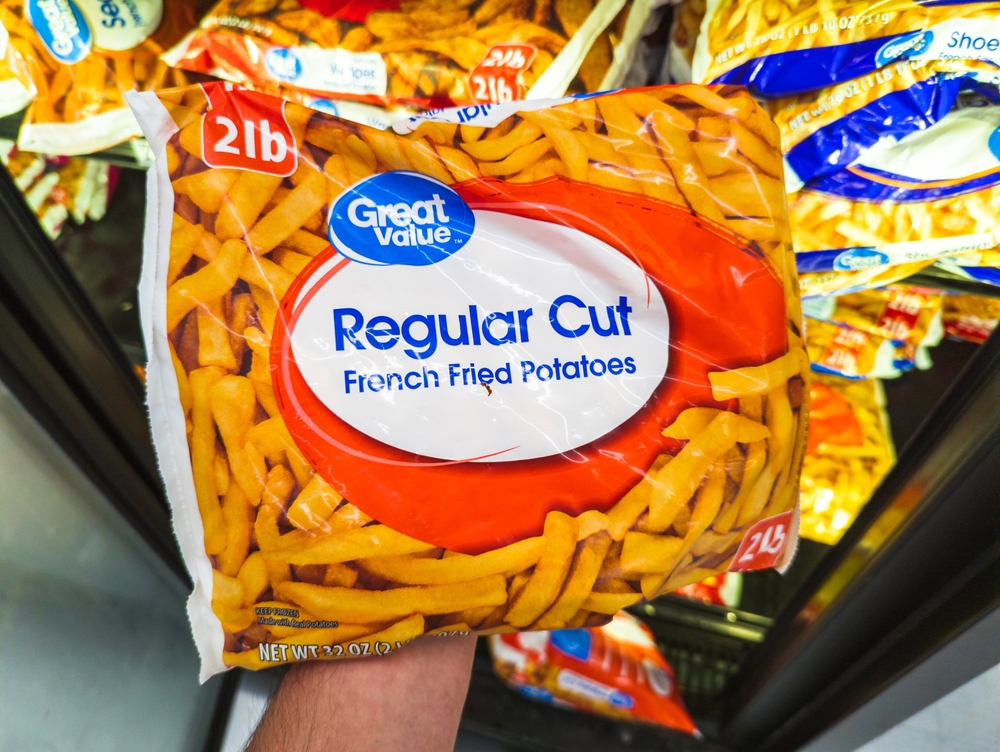
Producent mrożonych frytek, firma Lamb Weston, ogłosiła swoje wyniki 6 października 2026 r., ujawniając uderzającą rozbieżność między zgłoszonymi zyskami a reakcją rynku akcji. Zysk netto spadł o 55% w ujęciu rok do roku, jednak inwestorzy zareagowali kupując akcje. Firma przekroczyła oczekiwania i podniosła prognozę na cały rok. Wzrost sprzedaży w Ameryce Północnej oraz działania mające na celu redukcję kosztów sugerują, że zmiany w działalności firmy zaczynają przynosić efekty. Pozostaje jednak pytanie, czy ten postęp wystarczy, by rozwiązać problemy za granicą. [1]

TD SYNNEX znacznie przekroczył oczekiwania: przychody wzrosły o 38%, ale po opublikowaniu wyników finansowych kurs akcji spadł

TD SYNNEX znacznie przekroczył oczekiwania: przychody wzrosły o 38%, ale po opublikowaniu wyników finansowych kurs akcji spadł

Firma TD SYNNEX opublikowała wyniki, które na pierwszy rzut oka wydają się bardzo dobre i potwierdzają, że firma czerpie korzyści z rosnącego popytu na infrastrukturę technologiczną. Jednak po bliższym przyjrzeniu się sytuacja nie jest już tak jednoznaczna. Za rekordowymi wynikami kryje się połączenie szybkiej ekspansji, zmieniających się marż oraz znacznych wahań przepływów pieniężnych, na które inwestorzy zaczęli zwracać znacznie większą uwagę niż na sam wzrost przychodów. To właśnie różnica między tym, co pokazuje rachunek zysków i strat, a tym, co dzieje się pod powierzchnią, sprawia, że ostatni kwartał TD SYNNEX jest znacznie bardziej interesującą historią, niż sugerowałyby to same dane z nagłówków.

AutoZone zaskakuje Wall Street wynikami finansowymi: zysk na akcję wzrósł o 15%, ale spadek sprzedaży wskazuje na trudności klientów

AutoZone zaskakuje Wall Street wynikami finansowymi: zysk na akcję wzrósł o 15%, ale spadek sprzedaży wskazuje na trudności klientów

Firma AutoZone zamknęła rok obrotowy 2026 wynikami, które na pierwszy rzut oka wydają się bardzo dobre. Przychody w czwartym kwartale wzrosły o 5,6% rok do roku do 6,59 mld dolarów, zysk netto wzrósł do 931,6 mln dolarów, a zysk na akcję wyniósł 56,05 dolarów, czyli o około 15% więcej niż rok temu i powyżej oczekiwań Wall Street. Jednak pod powierzchnią nadal tkwi słabość. Wzrost sprzedaży w sklepach porównywalnych okazał się niższy od prognoz, a amerykańscy majsterkowicze nadal ograniczają swoje zakupy.1

Oracle nabiera tempa w dziedzinie sztucznej inteligencji: przychody z usług w chmurze wzrosły o 121%, a wartość podpisanych umów osiągnęła 664 mld dolarów

Oracle nabiera tempa w dziedzinie sztucznej inteligencji: przychody z usług w chmurze wzrosły o 121%, a wartość podpisanych umów osiągnęła 664 mld dolarów

Firma Oracle rozpoczęła nowy rok obrotowy od wyników, które po raz kolejny potwierdziły, że jej transformacja w kierunku chmury i sztucznej inteligencji nabiera tempa. Firma przekroczyła oczekiwania rynku i wykazała znaczne przyspieszenie w obszarach, w które w ostatnich latach skierowała większość swoich inwestycji. Za tymi dobrymi wynikami kryje się jednak pytanie, które będzie miało coraz większe znaczenie dla inwestorów. Oracle rozwija się dynamicznie, ale droga do dalszej ekspansji będzie niezwykle kosztowna. [1]